

New rules for packaging: Environment Committee adopts position
- Details
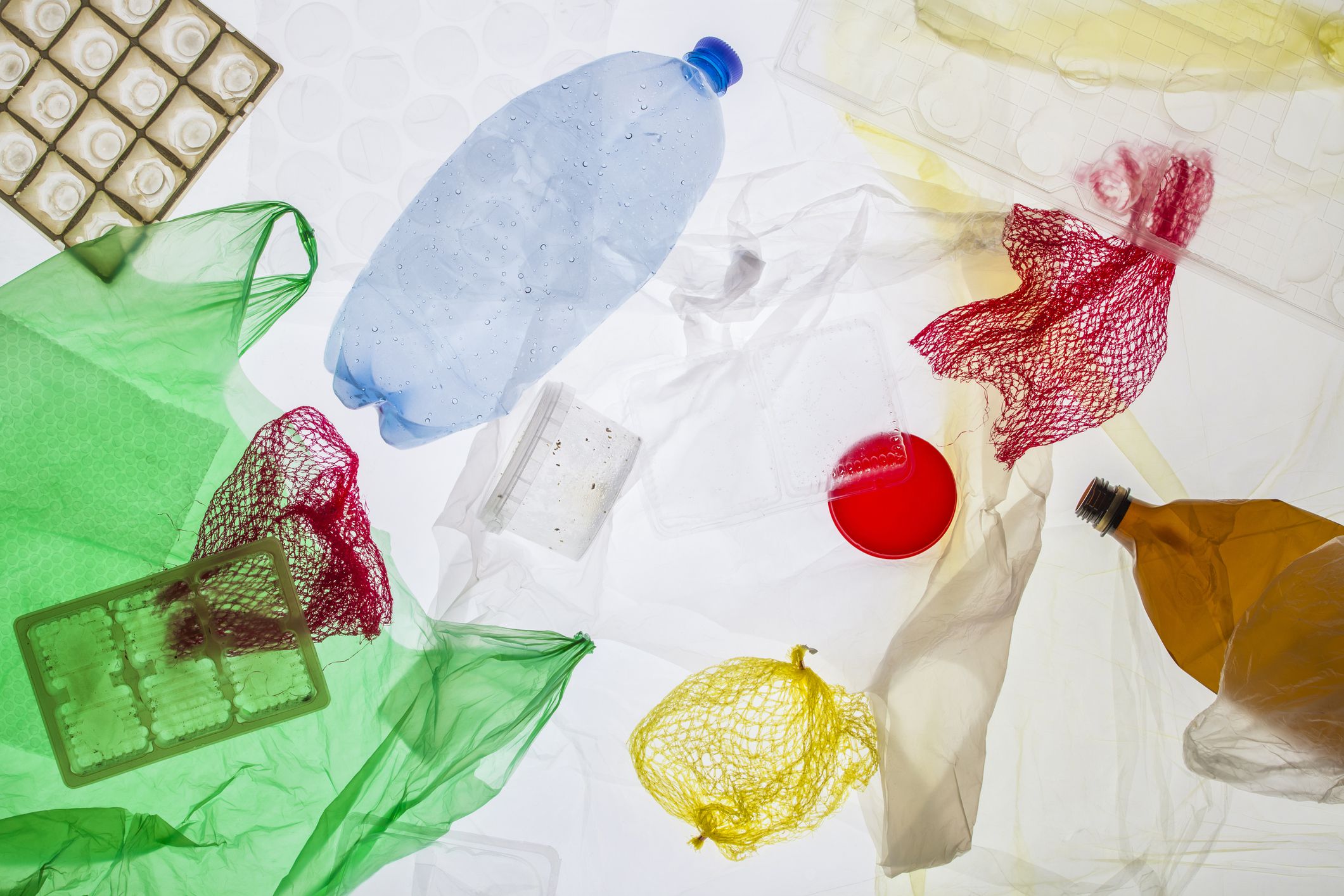
The EPP Group wants to slash packaging waste produced in Europe. "We want Europe to produce less packaging waste. However, the alternative solutions must be viable," says Massimiliano Salini MEP, the EPP Group's Chief Negotiator of the new rules aimed at reducing waste in the European Union, following the vote in the Parliament's Environment Committee earlier today.
The EPP Group wants companies to be more innovative and consumers to be better rewarded when it comes to reducing waste. "New rules for packaging and packaging waste in Europe are needed and wanted, also by the industry. The circular economy can only work if we get a real internal market", says Peter Liese MEP, the EPP Group's Spokesman on environmental issues.
Read more: New rules for packaging: Environment Committee adopts position
Parliament confirms Wopke Hoekstra and Maroš Šefčovič as new Climate Commissioners
- Details
Peter Liese: The two will make a good team / International climate diplomacy and cooperation with industry for economic growth and climate action must now be priorities / Chemical legislation apparently postponed
After hearing the two candidates on Monday and Tuesday, the European Parliament confirmed Wopke Hoekstra as the new Climate Commissioner and the current Vice-President of the EU Commission Maroš Šefčovič as Executive Vice-President of the European Commission for the Green Deal with a large majority.
Read more: Parliament confirms Wopke Hoekstra and Maroš Šefčovič as new Climate Commissioners
A new Polish government could help us stabilising European climate policy in difficult times
- Details
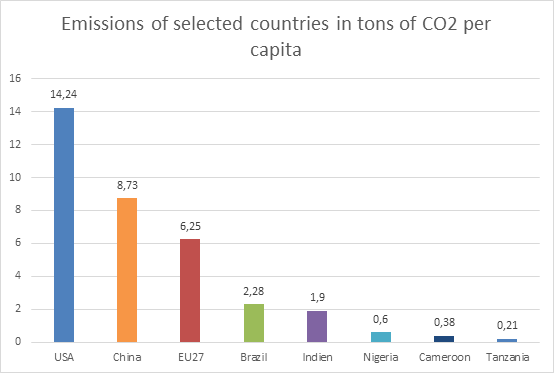
Peter Liese: The EU can increase its climate target to 57%; existing legislation already leads us there / Crucial question at COP is China's responsibility / Priority for economic growth and climate protection, other concerns to be postponed
“A new Polish government could help us stabilising European climate policy in difficult times," stated Dr. Peter Liese, the environmental policy spokesperson of the largest group in the European Parliament (EPP Christian Democrats). In the parliamentary elections in Poland on Sunday, the Civic Coalition together with its allies had managed to break the majority of PiS according to polls after the election. “PiS has been a major brake on European climate policy in recent years. Many decisions were only possible after difficult discussions. The Civic Coalition and its allies, e.g. the electoral alliance 'The Third Way,' will ensure a completely different course here. They advocate an ambitious climate policy in Poland and in the European Union. One part of the electoral alliance is even called 'Polska 2050', because they want Poland to finally commit to climate neutrality in 2050. The conditions for European climate policy will certainly not be easy in the next few years, because people realize that it is not enough to adopt ambitious targets, but that the measures will bring actual changes. I am convinced that we can and must nevertheless meet the targets. Tailwind instead of headwind from Poland will help us to achieve these," said Liese.
Parliament, Commission and Member States agree on drastic reduction of climate-damaging f-gases
- Details
Peter Liese: Heat pumps will be better and more environmentally friendly / Good for the environment and innovative companies / EPP holds up exception for repairs for handicraft businesses
On Thursday morning, the Parliament reached an agreement with the Commission and Member States on the reduction of so-called F-gases. F-gases are up to 25,000 times more harmful to the climate than CO2. They are used, for example, in heat pumps, refrigerators and electrical switchgear. The agreement now calls for their gradual replacement with climate- and environmentally-friendly alternatives. Commenting on this, the environment policy spokesman for the largest group in the European Parliament (EPP, Christian Democrats), Dr. Peter Liese, said: “This is a strong result for climate protection. Many alternatives for F-gases are already available on the market and European manufacturers are leading the way, for example, in heat pumps or electrical switchgear using natural refrigerants. This puts the EU in a better position to compete with products from China, for example, which are more harmful to the climate.”